
Social media for skincare brands
Texture close-ups, honest routines and ingredient talk people actually save.
See my postsFree to try. No credit card.
 fernleafbotanicalsExample

fernleafbotanicals This is what a gentle cleanser looks like when it meets water: soft and creamy, no tight feeling after. Made in small batches in our studio every Tuesday 🌿
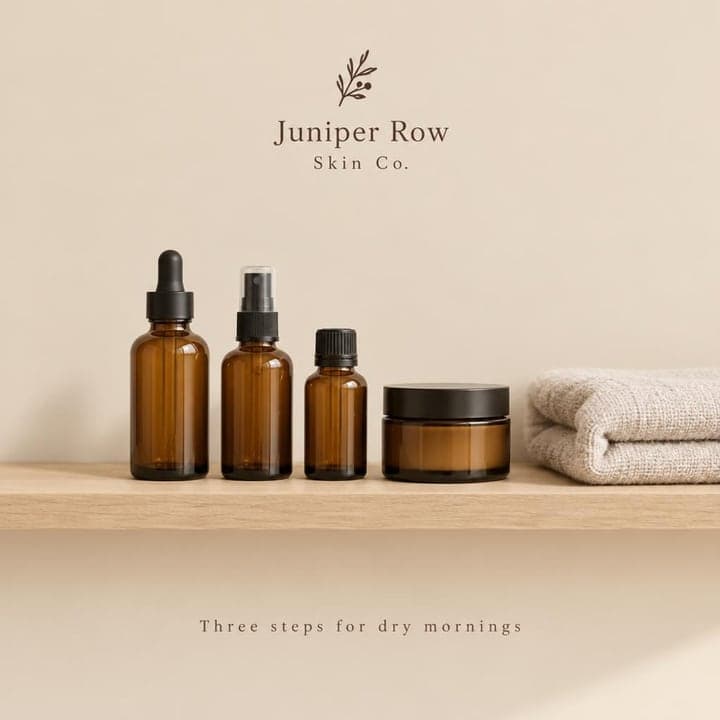
 Juniper Row Skin Co.Just now · Example
Cleanse, a few drops of serum, then the barrier cream while skin is still damp. That's the whole morning routine we suggest for dry skin.
 Like Comment Share
Made-up businesses. Posts written and designed by Bold Beluga.

Posts that work for skincare brands
- Texture and swatch close-ups
- One ingredient, explained plainly
- Routine order for real mornings
- Behind the batch
- Customer questions answered
- Packaging and shipping details
See posts for your business
- Reads your website and learns how you talk
- Writes and designs 50 posts a month for Instagram and Facebook
- You approve each post, or let autopilot publish them
Paste your website. Free to try, no credit card needed.
The guide for skincare brandsIdeas, rhythm and mistakes to skip · 3 min read
People can't touch, smell or test your products through a screen, yet that's where many of them decide whether to try you. Social media is your stand-in for the counter sample. It shows how a cream spreads, how a cleanser lathers and who is behind the jar.
For a small skincare brand, that matters more than ad budget. Shoppers are wary of big promises and crowded shelves. A steady feed of real textures, real routines and plain explanations gives them enough reason to trust you with their face.
Why posting works for skincare brands
People pick skincare slowly and carefully, because a bad product shows up on their skin. They look for signs that a brand is honest, knows its ingredients and makes things for someone like them. Regular posts answer those questions before they're asked: what it feels like, how to use it, what's in it and who makes it. Over time your feed becomes the reason a curious follower finally places a first order.
Six ideas that work for skincare brands
1. Texture and swatch close-ups
Film a slow swatch of your gel moisturizer on the back of a hand, then rub it in. Show how it looks, spreads and absorbs, with no voiceover needed.
2. One ingredient, explained plainly
Pick one ingredient, like squalane or niacinamide, and say in two or three lines what it is and why you chose it for a specific product. Keep it to what the ingredient does for how skin looks and feels.
3. Routine order for real mornings
Show a simple three-step morning routine using your products, in order, with how much to use of each. Label it for a skin type, like 'for dry skin that gets tight by noon.'
4. Behind the batch
Post a short clip of pouring, mixing or filling jars in your workspace. People like seeing the hands and care behind a small-batch serum.
5. Customer questions answered
Take a real question from your inbox, like 'Can I use the vitamin C serum with retinol?', and answer it in a post. Note that anyone with a skin condition should check with their dermatologist.
6. Packaging and shipping details
Show how an order gets packed, from tissue to the recyclable mailer. It answers 'is this a real small business?' and sets expectations before someone buys.
A rhythm you can keep
Three posts a week is a realistic goal for an owner who also makes, packs and ships. Batch your content: spend one afternoon filming swatches, routines and workspace clips, then post them over two weeks. A good mix is one product or texture post, one teaching post such as an ingredient or routine explainer, and one behind-the-scenes or customer-question post. Use stories for quick stuff like restocks, a new batch cooling or packing day, and answer comments and messages within a day, because product questions are often purchase questions.
Mistakes to skip
Making drug-like claims in captions
Words like 'cures acne,' 'heals eczema' or 'reverses aging' can turn a cosmetic into a regulated drug claim. Stick to how skin looks and feels, and follow FDA cosmetic labeling rules or check with an advisor if you're unsure.
Only posting polished product shots
A feed of identical jars on marble tells people nothing new. Mix in textures, hands, routines and your workspace so each post gives a reason to stop.
Filtered or edited before-and-afters
Smoothing filters and different lighting make results look fake, and followers notice. If you share results, use the same light and angle, no filters, and get written permission from the person shown.