
Social media for personal trainers
Form tips, client progress, session clips and honest talk about starting.
See my postsFree to try. No credit card.
 Ironwood Strength StudioJust now · Example
If your heels lift when you squat, try sitting back like you're reaching for a chair behind you. Small change, steadier squat. Save this for your next leg day.
 Like Comment Share
 northsidemobileExample
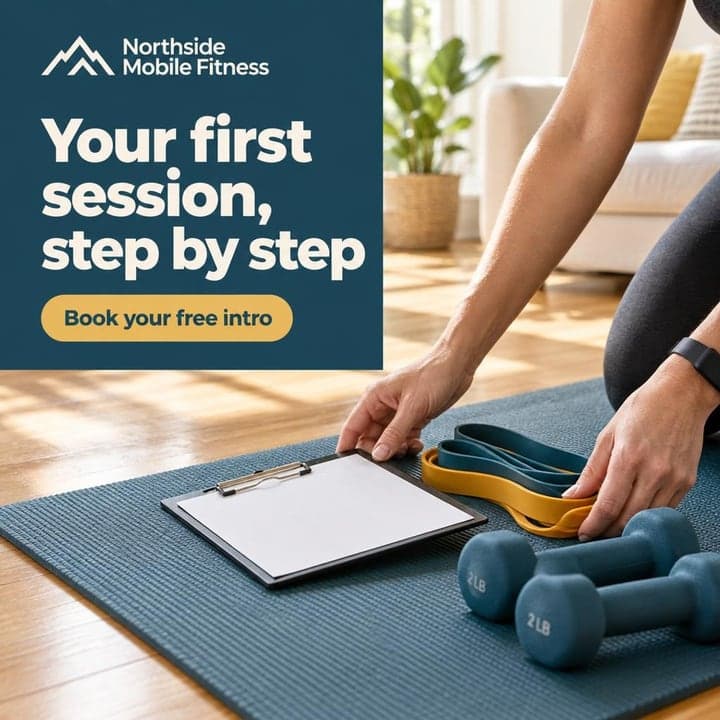
northsidemobile Nervous about starting? Your first session is mostly a chat about your goals, a few easy movements and zero judgment. Message us to book a free consult 💪
Made-up businesses. Posts written and designed by Bold Beluga.

Posts that work for personal trainers
- One-minute form fix
- Client wins beyond the scale
- What your first session looks like
- Workout you can do anywhere
- Myth versus what you coach
- Behind the scenes of your week
See posts for your business
- Reads your website and learns how you talk
- Writes and designs 50 posts a month for Instagram and Facebook
- You approve each post, or let autopilot publish them
Paste your website. Free to try, no credit card needed.
The guide for personal trainersIdeas, rhythm and mistakes to skip · 3 min read
People don't hire a personal trainer the way they buy a gym membership. They're about to spend real money and show up out of shape in front of a stranger. Before they reach out, most will quietly check your Instagram or Facebook to see who you are, how you coach and whether you'd make them feel stupid.
Your posts answer those questions before the first message. A short clip of you cueing a squat, a note about a client who finally did a full push-up, a plain explanation of what a first session looks like. That's what turns someone who has been thinking about it for months into someone who books a consult.
Clients pick a trainer they already trust
Choosing a trainer is personal, and the biggest worry is usually being judged, getting hurt or wasting money. People pick the coach whose style they've already seen and liked, often after following quietly for weeks. Regular posts show your coaching voice, your patience with beginners and the kind of people you work with. When they're finally ready, you're the obvious choice because you don't feel like a stranger.
Six ideas that work for personal trainers
1. One-minute form fix
Film a common mistake and the fix side by side, like a goblet squat with heels lifting, then the same squat with a simple cue. Keep it to one cue per post so it's easy to remember and save.
2. Client wins beyond the scale
With permission, share a non-scale milestone, like a client carrying groceries up three flights without stopping or deadlifting their bodyweight for the first time. Focus on what they can do now, not before-and-after body photos.
3. What your first session looks like
Walk through a first visit step by step: the chat about goals, the movement check, the easy warm-up, how long it takes. This calms the nervous beginner who has been putting off reaching out.
4. Workout you can do anywhere
Post a short routine with no equipment, like a 15-minute circuit of split squats, push-ups to a bench and planks. It gives real value and shows how you program.
5. Myth versus what you coach
Take one gym myth, like needing to train every day to see results, and explain in plain words how you actually approach it. Stay within general fitness guidance and your certification's scope.
6. Behind the scenes of your week
Show your 5 a.m. setup, how you plan a client's next block or the notebook where you track their lifts. People hire someone they feel they know.
A rhythm you can keep
Three posts a week is plenty for a trainer with a full client load. A good mix: one teaching post like a form tip or short workout, one client-focused post like a win or a spotlight, and one personal or behind-the-scenes post that shows who you are. Film quick clips between sessions when the space is quiet, and batch caption writing once a week. Use stories on busy days for small moments, like a client's new personal best or an open spot in your schedule. Answer comments and messages the same day, because that's often where a consult starts.
Mistakes to skip
Posting only your own workouts
Your heavy lifts and shredded progress photos can intimidate the beginners you most want to reach. Show more coaching of regular people and less of your own training.
Sharing clients without clear permission
Always get explicit permission before posting a client's face, body, story or results, and let them see the post first. Follow your certification body's rules on client privacy and results claims.
Never saying how to start
Lots of trainers post great tips but never mention how to book, what it costs to get started or where they train. End some posts with a simple next step, like messaging you for a free consult.